Experts in Land Rover & Jeep – Repairs, Service & Care - Book Today
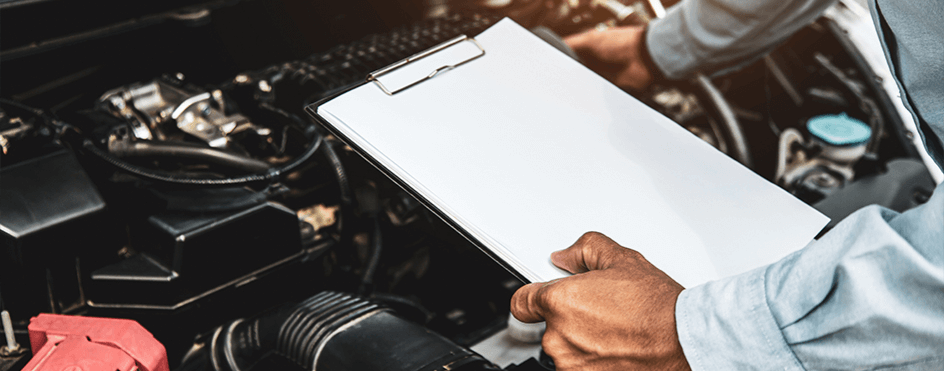

If you are also driving a car in your city during the summer season, your car engine works much harder than you think. Long traffic jams, red lights, and slow-moving vehicles may look harmless, but they silently affect your engine health. One of the biggest problems caused by this driving condition is engine oil breakdown.
Many car owners focus on fuel efficiency and tyre pressure, but they often ignore how hot weather and stop-and-go driving damage engine oil. Let’s understand how this happens and what you can do to protect your engine.
Engine oil is not just a lubricant. It performs many important jobs inside your engine:
Without high-quality motor oil, your engine can overheat, wear out faster, and even fail.
During the summer, outside temperatures are already high. When you start your car, the engine begins producing heat. In heavy traffic, your vehicle keeps stopping and starting again and again. This constant cycle increases engine temperature even more.
When engine oil is exposed to extreme heat for long periods, it starts losing its real properties. This process is called thermal breakdown.
Thermal breakdown means the oil molecules begin to break apart due to excessive heat. As a result:
This is why summer car maintenance is very important, especially if you mostly drive in city traffic.
In traffic jams, your engine keeps running, but airflow is limited. When your car moves at high speed, air naturally cools the engine. But in bumper-to-bumper traffic, there is less airflow, which causes the engine temperature to rise quickly.
Also, stop-start driving puts extra pressure on engine components. Every time you accelerate from a stop, the engine works harder. This increases fuel combustion and internal heat.
Over time, this combination of high engine temperature and slow traffic driving speeds up engine oil degradation.
Many drivers do not realize that their motor oil is already damaged. Here are some common warning signs:
If you notice these signs, it may be time for an oil change.
Additives are used to improve the performance of engine oil. These additives control oxidation, foam reduction, and viscosity (or thickness) of the oil. However, repeated exposure to high temperatures diminishes the effectiveness of these additives. Also, oxidation increases, which can result in sludge formation in the engine. Sludge can block oil passages and reduce lubrication.
Metal parts tend to rub against each other with decreased lubrication. This increases wear and tear, which could lead to costly engine repair.
Not every oil has the same response to heat. Synthetic oil is able to withstand higher temperatures compared to the average, or in this case, conventional oil. This means it is able to withstand thermal breakdown and maintain a stable viscosity during high temperatures.
Using high-quality synthetic motor oil means better engine protection and performance. It does cost a bit more, but it can save a lot of money if it avoids serious engine damage. This is especially true if you tend to drive in heavy city traffic.
You cannot control traffic jams, but you can reduce their impact on your engine. Here are some smart steps:
Do not delay your oil change. Check your vehicle owner’s manual and stick to the recommended schedule.
In hot weather, oil may burn or evaporate faster. Regularly check oil level using the dipstick.
If you are stuck for a long time, switch off the engine when possible.
Always use the recommended oil viscosity grade for your vehicle. Using the wrong grade can increase engine stress.
A healthy radiator and coolant system help control engine temperature, which protects engine oil.
Ignoring engine oil breakdown can lead to serious problems like:
Engine repair costs are always higher than regular maintenance. A simple oil change is much cheaper than rebuilding or replacing an engine.
If your car often runs in stop-and-go traffic, especially during hot summers, you must pay extra attention to the oil condition.
Hot weather and traffic jams may seem like normal parts of daily driving, but they slowly damage your engine oil. Regular exposure to high temperatures causes thermal breakdown, reduces lubrication, and increases engine wear.
The good news is that you can save this damage with regular car maintenance, quality-based motor oil, and changing the oil from time to time. Taking small preventive steps today can save you from major problems next time.